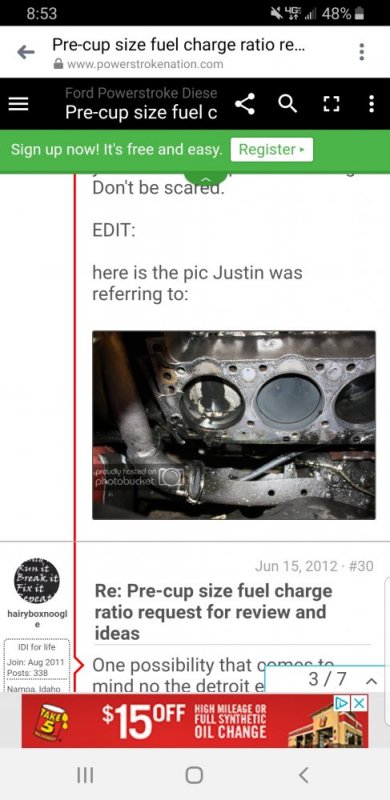
A friend and I tried flat topped pistons years ago and did not like the results. Then swapped them out for the ones from Kennedy that are similar to the ones from TSP and had great results. Keep in mind, until recently I was always a higher compression is better guy. My buddy wasn’t. Now thinking back about it, maybe the deeper cut pattern in the pistons keeps air flow good or maybe improved it? Or possibly it lessened it but the gains made by lowering the compression offset the slight loss.
At work there is a couple hydro engineers, one that specializes in flow characteristics and helps gubmint agenecies across the country. Maybe I can drag him in for an opinion as to the changes the cuts make?
The things I learned and saw running Kennedy’s pistons was proof in the pudding I wanted lower compression, but it had to be done right. That’s why I got so excited when Chris showed his piston top. All the wazoo builds done by peninsular for unky sams spec ops hmmwvs had those pistons, and sfter getting the ip and turbo banks threw in they were all running numbers near Nate’s level. Wether whoever first started the design of the pistons engineered it out or swung in the dark and hit a home run, idk. Just happy they work well.
As to the backwards ran pistons- we tried it just to see one time- haha- frickin halarious! It wont hurt anything but I do suggest doing it in summer not winter so you can get it to start easier! That or hack up a set of precups (which I also tried several times) and you’ll quickly know something is critical in the flow.
I read stuff in a class before playing with these, so I just went “yeah, flame front isn’t flowing right”.
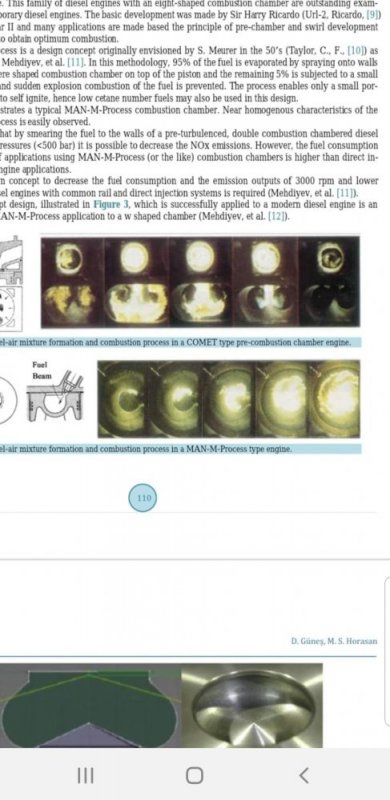
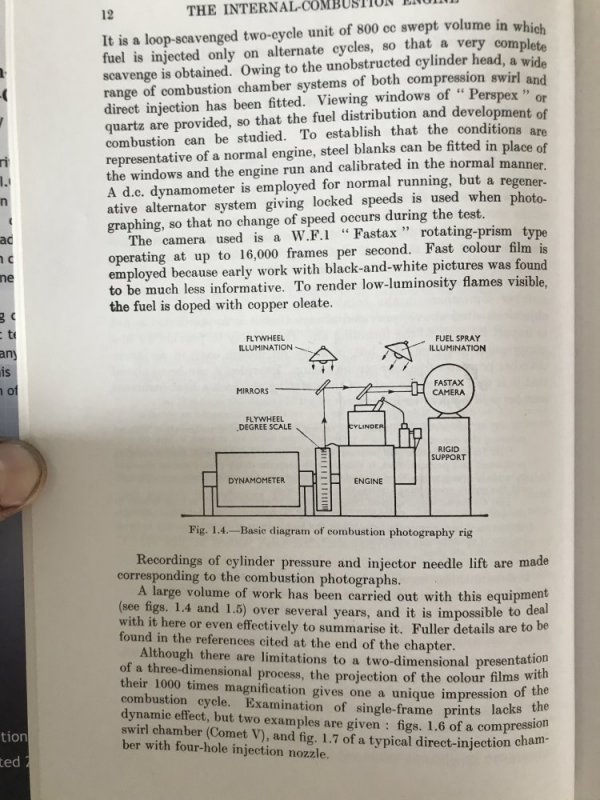
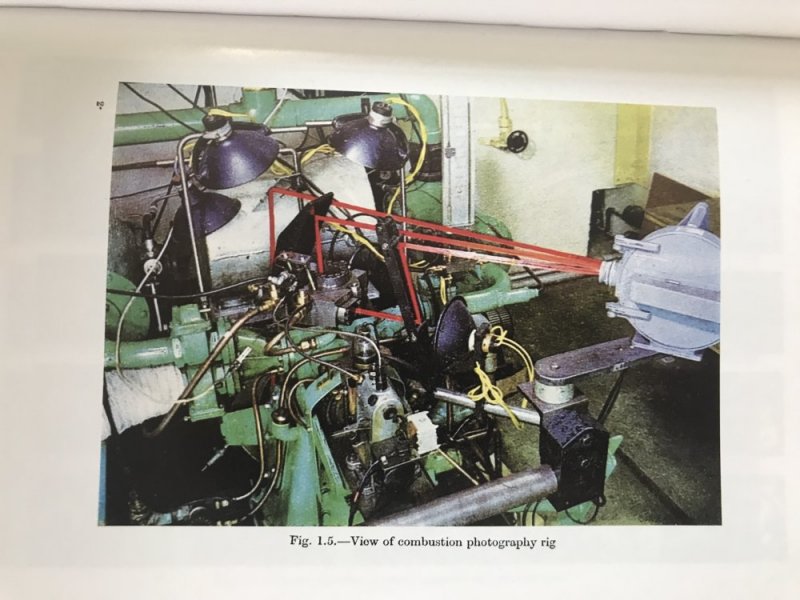
The pics in the book showing preliminary combustion in the precup really tells the story. And simply flowing up under compression, and the flame front flow on ignition obviously are near mirror images so it seems easy to see.
Also someone mentioned the knock under advanced timing. Yes the advance increases that knock, but having played with piston to wall clearances A LOT, and the wrist pin allowance...I can tell you the flame front making the piston rock over too soon is a huge part of that knock. But so does too much ignition in the precup and not enough on the piston top. Less quantities of more volatile fuel will show it.
I feel for Rockabillyrat (is RR ok like WW is war wagon?haha) because he is using a not exact term that has been redefined since it first came out to describe what’s happening. And it doesn’t sound right, if you don’t get what’s happening. I read the first time he said it and have been thinking on a better description, and failed. It is like there is 2 seperate ignition events. Some of the fuel sprays into the cylinder -just look at injector nozzle with a head off through precup port and you can see some will. While the rest hits the much hotter precup blatung around in there and getting lit. The convergance of the fuels in ignition ontop of the piston: when it is perfect, the knock is minimal. When the precup ignites a bit too soon and the delay ignition on top of the piston occurs it really klacks.
When a di diesel has too early timing, you hear the difference? That di sound is piston/rod shock. You have to imagine subtracting that sound from the idi klack.
Hope I helped somebody understand a little better. If I muddied the waters, I apologize.