@dbrannon79
Doug, in my experience, once a guy knows his way around a these trucks a bit - his instincts as to what the noise is becomes correct 95% of the time.
Lifter tick in these can be a lifter loosing its prime, or a rocker button that has left the chat. But when it’s a rocker button that doesn’t generally come and go for an extended period of time.- is usually lefts the pushrod go visit new and exciting places before 1,000 miles is up. And you have had this for well beyond that time so my bet is one lifter is just feeling its age.
When the issue becomes more and prevalent- it will usually start ticking every morning with start up until a few seconds after oil pressure is built.
The guess about adding Lucas heavy duty oil stabilizer or the opposite of trying to clean it out with Seafoam comes to mind. So hear is the thought process:
1. Leave alone and see vs mess with it -risk/ reward.
If it is mild and rare then leave it. If it happens and you feel impending doom and almost shut the engine off each time then worth the risk. You have to decide where the line is and go with one side or the other. Step 2 usually has impact here.
2. Cleaner vs sticky stuff to add.
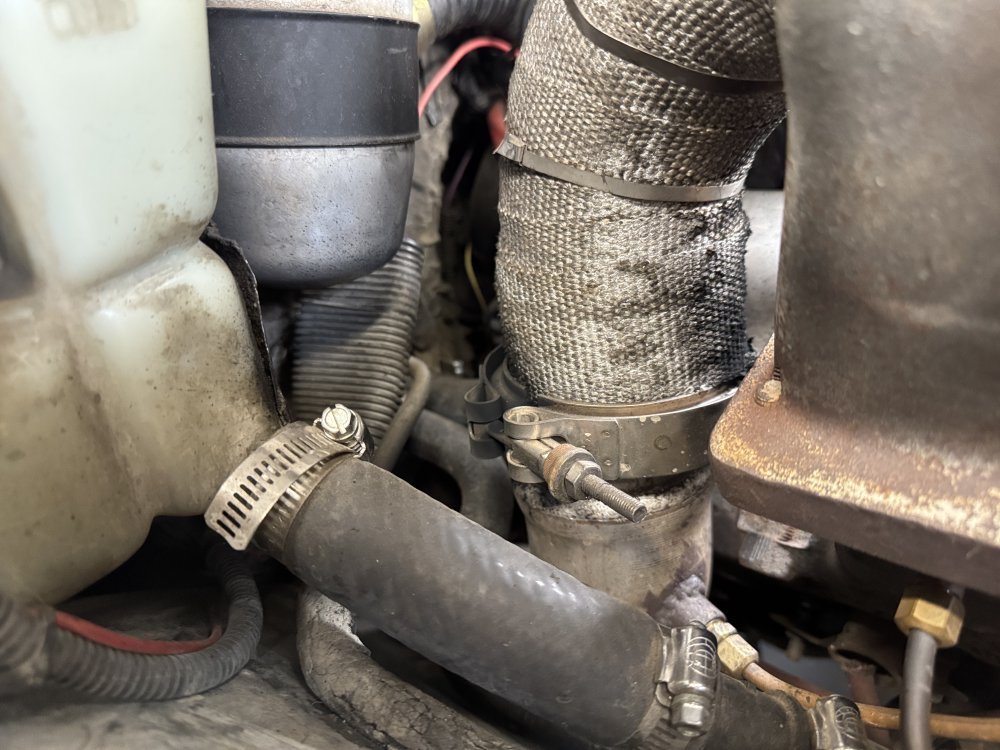
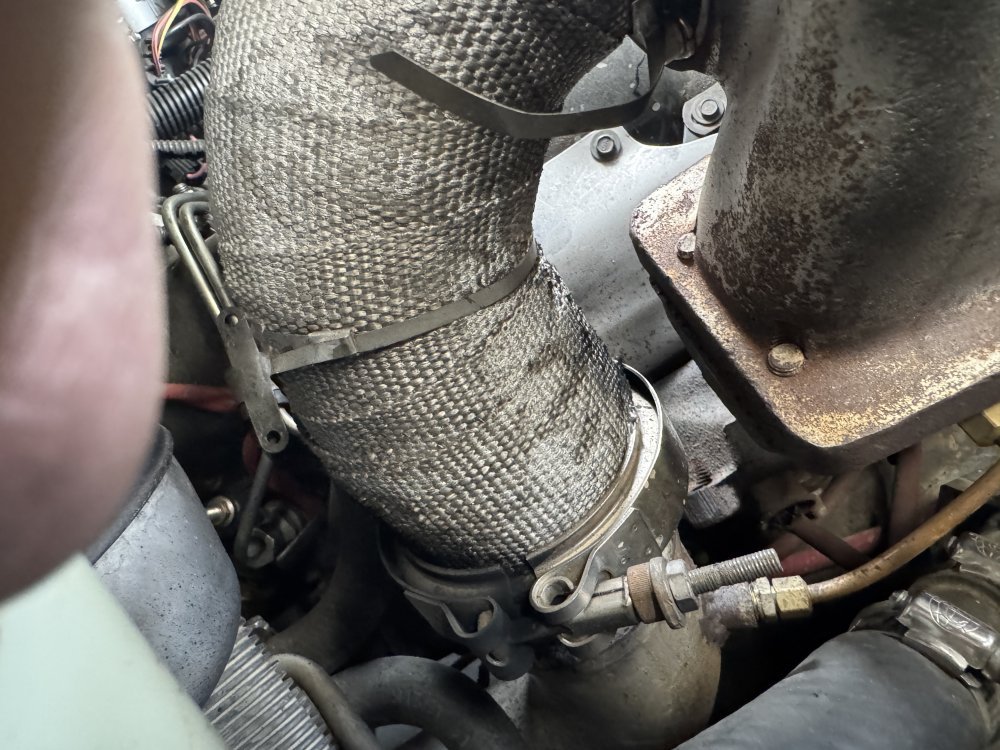
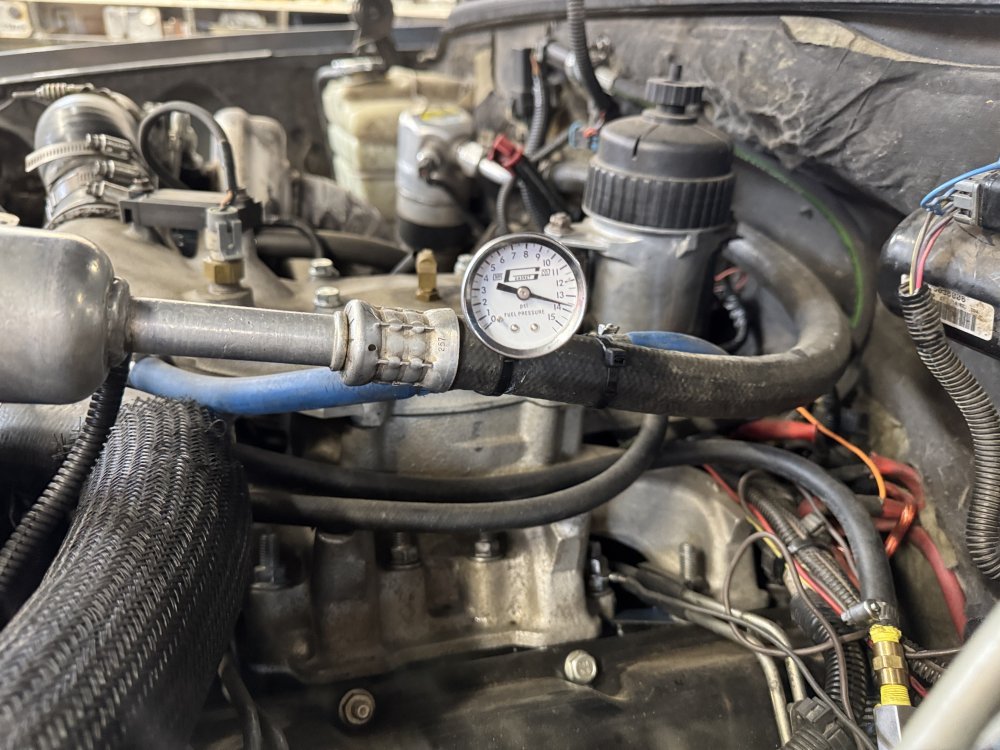
First part is do you have good oil pressure in the engine. Testing it at the front right port where it feeds the turbo tells you what the lifters are getting- but since your turbo hasn’t already died from lack of oil- that generally says you have plenty of flow getting through to all the lifters. Unbolting the turbo so the exhaust cant spin it then undoing the oil line and putting an oil pressure gauge there has very rarely revealed the answer in my experience. i have put a T fitting in and left turbo working and got readings that way that made me suggest the world was ending with no oil pressure. But never from low oil pressure AND an occasional lifter tick. Usually its no oil pressure & massive power loss with a small rod knocking that is very loud and constant, the kind that makes a 12 year old girl say “that car is gonna blow up”. So I doubt that’s your situation.
With good oil pressure now becomes the question of is there some gummed up oil you want to free up in the journal to that lifter or in that lifter. If thats the theory you add Seafoam. Old school was diesel fuel and or ATF. Upside: it works and life is good. Downside: it does nothing= a few bucks lost. Other downside= you free up oil sludge and it travels to somewhere you don’t want it to like: into other lifters; into main journals/bearing; into rod journals/bearing; into wrist pin bearing; into cam journals/bearing; into turbo.
This is the point where you simply do your best Clint Eastwood as Dirty Harry and ask “Do I feel lucky? Well, do ya, punk?” And now you go back to that risk vs reward and recalibration usually occurs. If the feeling is an overwhelming “Its gonna blow up anyhow- then without a doubt clean it out. If it becomes- I might wreck this otherwise perfectly running engine- leave it be and let the sound develop.
3. Add the sticky icky if snoop dogg and willy nelson haven’t smoked it all…
My usual suggestion is- all the properties of oil thickeners go wrong if something is loose and about to plug up. So begin with the clean out in step 2- being ready to shut it off and do the oil change if the sound gets louder because thats the huge clue you need a thicker oil because something is slapping around like an ethiopian ak47 in-between jamming.
The concern with a thickener is- the journal to the lifter is partially plugged and the cause of the occasional tick. The sticky goo can make the restriction worse and not allow any oil to get it. Hence the call to flush it out first. Then the thick goo can get in and help keep the lifter lubed up. But Their claim to fame is stopping tick during start up … you sound like you are saying while cruising … So idk if this is gonna be your solution- but you have to decide.
Hopefully my early morning ramblings have helped more than hurt.