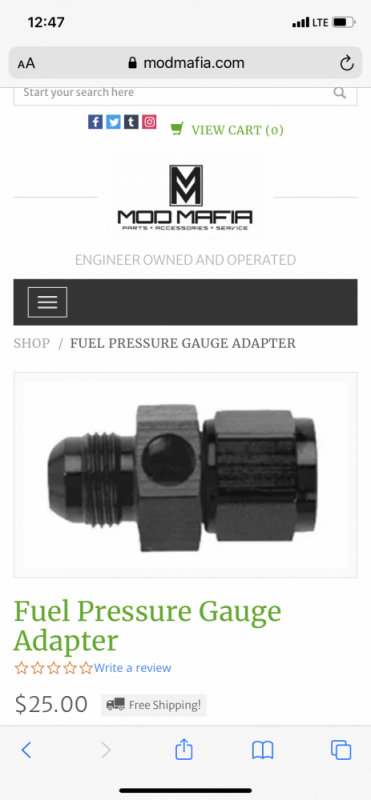
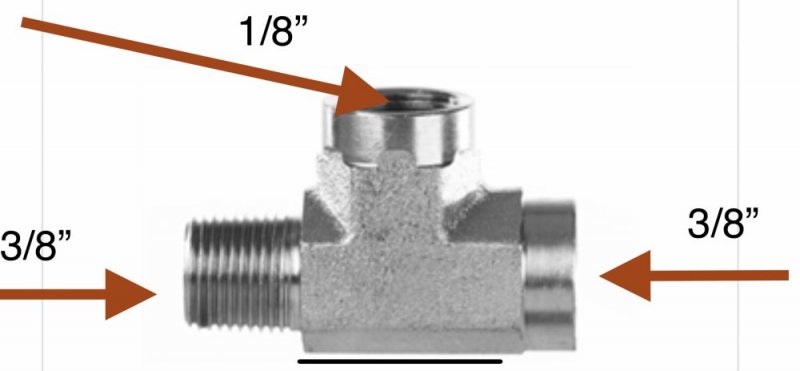
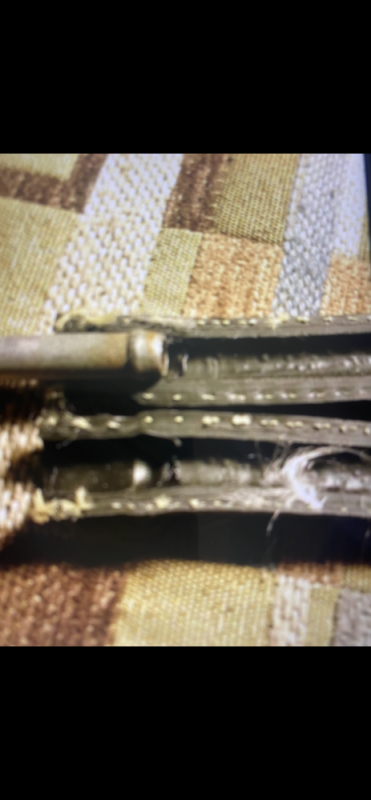
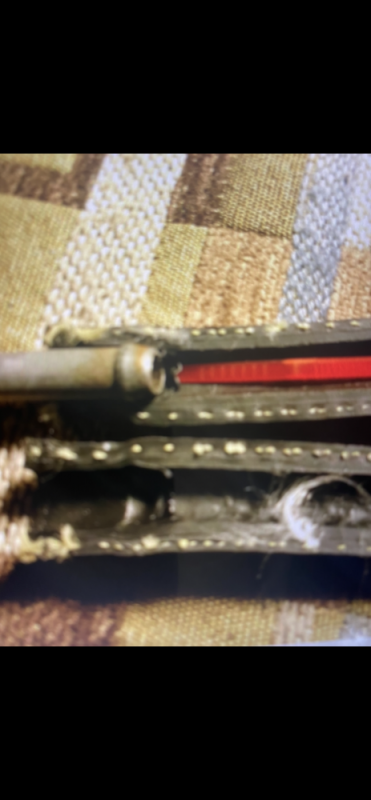
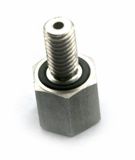
We put the pressure tap back at our fuel filter re-locations since the reverberation pulses back thru the supply line on the DS4 pump can kill gauges and electronic transducers. Be mindful of that if this goes directly on the injection pump inlet.
We did a ton of testing at the fuel company- including experimental fuels.
On the mechanical side of gauges- not really a concern. I had around 40 in the fleet when we did different fuel types testing that all went over 400,000 miles. All but 1 made it the entire time. It started with exactly 50 trucks, but around a dozen of them were eliminated from testing in the first year. The ip and injectors had to be replaced many of them very often from damages from the fuels, so my guess is the one gauge that I replaces (which started seeping in the cab) had issues from the fuel itself.
By the time the shockwave goes through the fuel very far in the line it is mitigated. We could see needle vibration in the gauges way more when the gauge is directly on the fuel line. We noticed the closer to the lift pump it got the more radical the pulses were on the gauge- and farther away from the lift pump the more steady it was. But if you want to see the average of the gauge not the pulses, just get a liquid filled gauge or use a damper. For diagnostics, seeing how bad pulses are can be helpful.
None of the electric ones failed.
Then we had 12 trucks (3 for each type of the most likely to use fuels) that we did with constant recording on, so they were all electric with the regular 4-20 signals. This is where my 1 pre and 1 post sensor thing comes from. The fuel commission mandates over a million miles testing done. We had pressure read on both sides of lift pump, both sides of filter, and both sides of ip, and at return sides of injector returns, along with flow meters before and after ip, and on injector return. Granted these were more expensive than regular sending units, but they were the cheapest ones that Omega (iirc)sold back then. The monitoring and recording set up itself was crazy expensive, so thats why it was only done on the final trucks under scrutiny. Amazingly none of the 12 got in wrecks so bad we couldn’t fix them- so they all finished. All had bearings and rings, etc every 200,000 as allowed in the standard. When ip, injector, piston, valve etc failed- we had to record it and all parts identified and saved, then sent in with reports to the commission.
I started with electric gauges on my truck, but my electric oil pressure gauges would always fail and my mechanical ones never did. Usually it was the gauge itself not the sending unit. So after that I just went all mechanical for my added gauges for decades afterwards.


 modmafia.com