I would still suspect occasional air intrusion from the ffm.
Remember the clear line is the primary test that stanadyne wrote for us to do when I was working at the dealership. The clear we used to use was pvc based and only lasted a few years but now you can buy from
https://fuel-line.com/ and it is rated for the ethonal in the new diesel fuel. So far the guys testing it have had it running on the trucks 4 years no problem and its staying flexible. Rated to 25psi and up to nitro methane fuel so looks like a great long term answer.
Just because it is harder to see in a van doesn’t mean the diagnostics change on it.
As to the pressure range you state- I think you might have a misprinted manual.
I went through the classes at Stanadyne, went out and double checked at 3 dealerships, 2 that still had the paper manuals in the back and all that have it online from GM. They all said ds4 is 8-14 psi. The books are from mid 90’s and obviously online access was current. iirc it was about 7 years ago when I went and checked. I don’t have my literature anymore, I donated it all years ago and refuse to own or work on a ds4, Im a die hard db guy.
I can’t tell you what the amount of miles that gets put on vans without the doghouse and the amount of go pro use is for diagnostics, but it is a lot.
Working regular shops I always added 20% time for it.
I normally don’t want unfiltered fuel- but a clean one gallon fuel and hose from it to the ip. Test if that solves it just to identify this is the problem. If so- then replace the ffm.
With so many people ditching the ffm and going to the fass or Airdogg systems, I would think a used one shouldn’t be too bad. Facebook, ebay, forum sales ads, etc. getting less likey to find them in junkyards. You will absolutely draw air in from that location if you repair isn’t perfect.
The old bosch duraterms were good ones. They were the original self regulating ones bosch had before making a slight change to the 80034 which was ok- that later went to total nightmare and ruined engines. It’s a coin flip honestly. The ones labeled as duraterms on the plug I would think is ok to keep running. If they don’t then I would change them asap. My ruined optimizer is one of many from it.
The only reliable ones are AC Delco 60G but there is a TON of cko ones that look so good and so do the boxes - so it has to come from an authorized distributor or a well known reseller like Leroy.
If you were sucking air for a while- it causes massive cavitation inside the ip and ruins the head & rotor. Running a thinker fuel helps diagnose that- basically non ethanol fuel and mid in a really heavy dose of your 2stroke oil or Stanandyne treatment which ever you normally add at all fill ups. Just use about three times the normal dose.
Unplugging either cps or optic will NOT cause a koko or relearn requirement.
It will be hard starting but should start and if it doesn’t that tells you the other component or its wiring is toast. Do one at a time with the other plugged in.
If both are good it will tell you and the moment you plug them both back in it will be back to normal.
The difference is if you move the optic sensor. There is a trick of scratching a witness mark on one before removing it with a pick. If you get it perfectly back in that spot it won’t need it. But if you get it off slightly then you have to do koko.
If you set up a battery charger and wire in a switch to power the lift pump to keep the pressure on while it site for 3-4 hours since you said 3 hours is long enough for the problem- the battery charger keep the batteries from dying. Then disconnect the charger just before test starting. If the hard start is gone- you have either a bad check valve in your lift pump of you have air intrusion.
If you have wired in a switch to force the lift pump to prime the filter after changing it- just let it sit the 3-4 hours. Then with ignition key on so the fso is open, force the lift pump for 4-5 minutes then turn key off a moment to refire the glow plugs and start it. The lift pump just before starting will flow plenty of fuel through the ip to identify air.
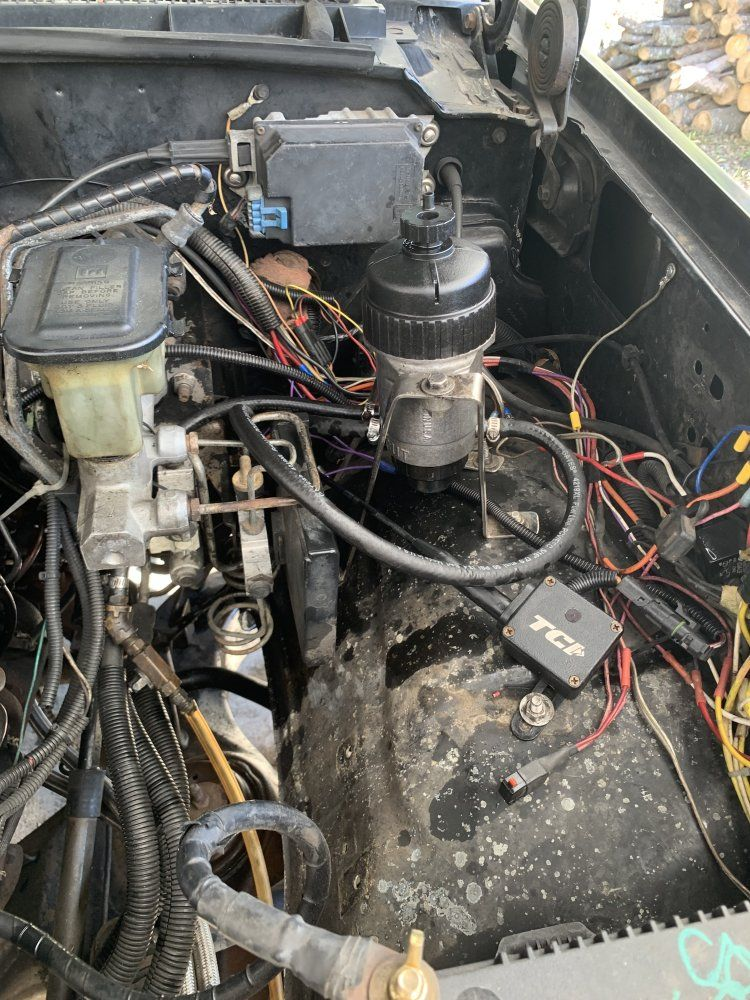
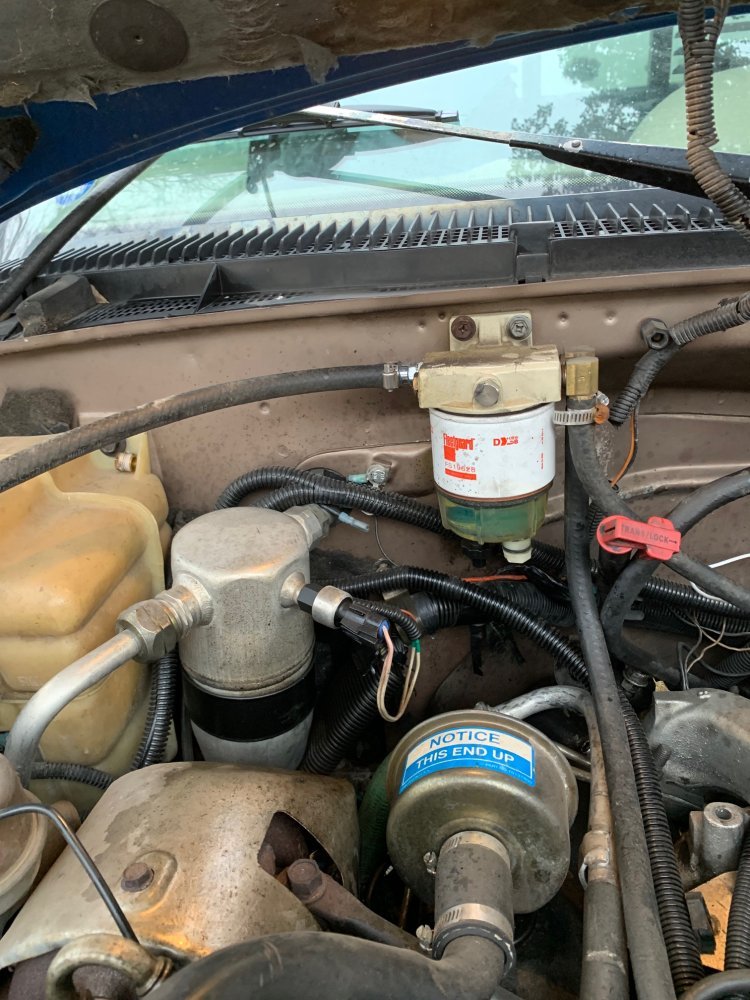
There is also the possibility some of the jb weld or other debris is causing a restriction. Remember the small screen inside the ffm and the one st the fuel inlet under the fitting of the ds4 inlet fitting- you remember the one you don’t want to have people replace from 5/16” to 3/8” because you think there is a smog law against it? That fitting. iirc and 99.9% I remember who you are- I’m surprised with your concean of all factory parts unmodified for emissions laws you were willing to attempt a non dot approved repair for your fuel filter system. Good for you- fight the man!

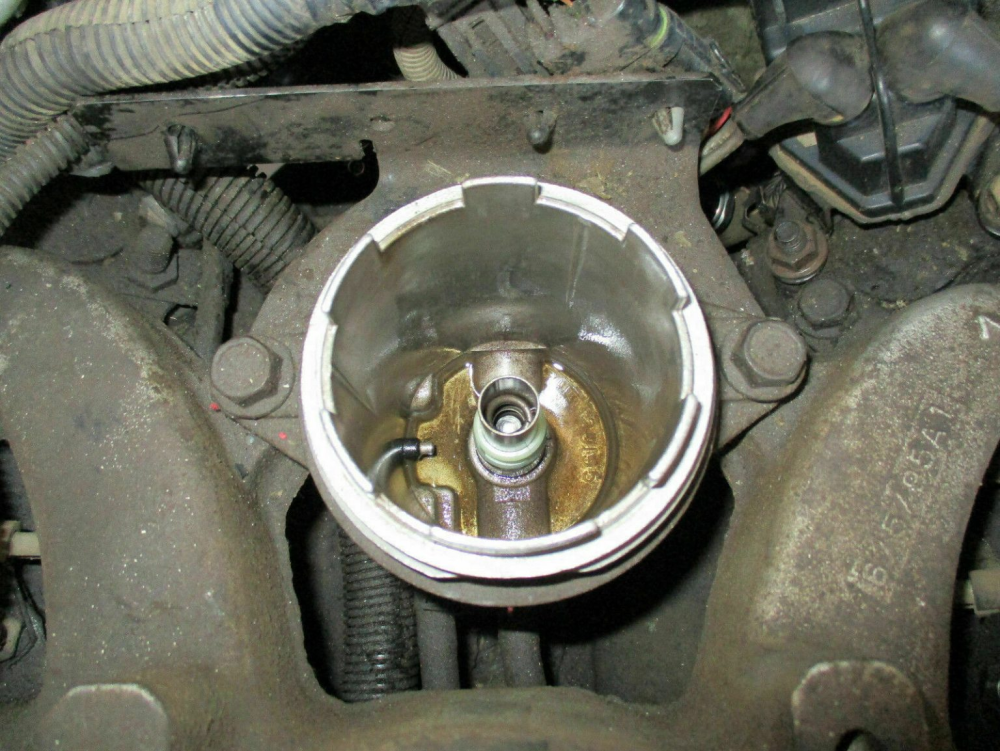
Outside of the higher fuel pressure causing the idle increase, there is other issues the higher pressure causes in both ds4 and db pumps. Years of running my hot rod db pumps over 30psi revealed a few. Before I swore of ds4 i had one modified and it ran right at 30psi. It shortened some life of the seals in the ip itself. The problems start much how you are now. Checking for it is very difficult in pickups or even generators- in a van- wow. But there is a tiny weep hole that will drip a couple drops of fuel into the valley after having been shut off this is indicative the seal between fuel and oil is gone bad. Over time it will start dripping fuel even with engine running. I never heard of it dropping more than a few drops at a time. It doesn’t need to. What happens is that seal start sucking air into the ip directly. The other seals on the ip suffer same issues but they can lead to a constant drip so easier to detect normally. When that happens the ip comes out to reseal. It used to be a full rebuild made sense because the parts cost vs labor cost - it made sense and cents. Now with parts availability and prices- idk. You ds4 guys are in a pickle and have to choose. The fact that you patched together the ffm rather than replacing it tells me you might just remove and reseal the ip.
A warning against plugging the weep hole. Like a weep hole in the the waterpump warns you before catastrophic failure and you send a fan flying like a giant chinese star- so does this weep hole warn before catastrophic failure but in this case you still have starting issues but less frequently and not as bad- followed later by high rpm power issues then (again if you plugged the hole) you now start pushing diesel fuel into the crank case. It nicely cleans your bearings for a day or so- then when contamination is enough- you wile out bearings and spin them or get full engine seizure. So… if know that you are replacing a he whole engine anyways and don’t care- yup a little JB in the weeper will let it run another 5-15k miles.
With the amount of lift pressure you are running it might be worth taking a sniff of the ole dip stick just for practice at this point.
Remember old cell phone video cameras and some duct tape are good cheap ways to watch that clear line if you don’t have a go-pro. There is tons of low cost cameras on ebay as an option as well.
But imo just like a spare tire for any car, a spare pmd for any ds4, these are part of the cost owning one. In a van- owning a camera to see and some small mobile led lights is just part of the cost of ownership of a van that proves to pay for themselves. Just because it is difficult for your rig doesn’t mean the number one most common problem in the fuel system is going to go away.
And with your higher psi pump that speeds up the hose degradation if you didn’t already replace it all with the sae30R9 or higher when you added whatever pump you did. Remember the older type hose doesn’t withstand the ethanol in modern diesel fuel.