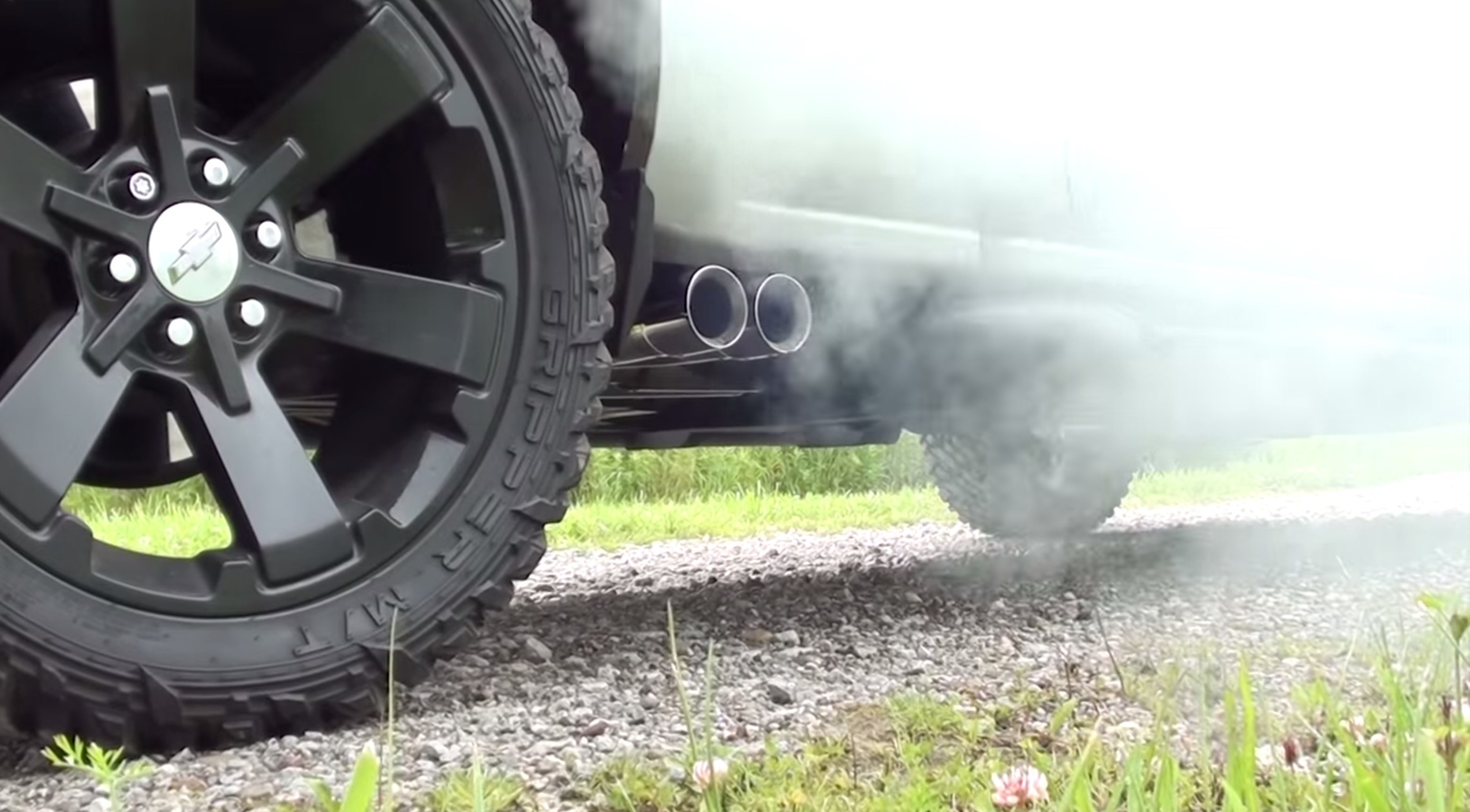
In Clark County Nv (where Vegas is) smog tests were and are done with wand in tailpipe measuring actual particulate. They also now read computers and get fooled by obd2 like the vw scandal- but can still be used to get actual output readings.
Diesel tests are done on a dyno to load engine and get more realistic testing of acceleration from 0-30(35)mph. We tested the 6.5 db2 compared to ds4. Remember the ds4 was made for obd2 compliance of being able to read demand and supplied fuel volume. The obd2 with all other parts the same- got lower emissions of ALL contaminates both as a whole and on individual levels, had better mpg, and more power. This all at stock levels. The keep in mind you can modify the db2 to run leaner, or produce WAY more fuel than any ds4 to suit your needs. Dont even need to bring in the more rare db4 or insanely rare db0. But GM had to meet legal requirements, so abracadabra ds4. Honest results isn’t always what they want- they need enforceable legislation.
Mpg is direct correlation of fuel burned per work done and therefore more emissions expelled
Lift kits and bigger tires is simply change in weight and aerodynamics. A slightly older friend I grew up with that is nowdays an automotive engineer argued truck height and mpg affects. He used this as main part of his college thesis.
We did with it with mini trucks (late80’s trend) and jacked up 4x4s. Identical truck only changed ride height- had no change until going from 1” ground clearance to 1/2”ground clearance at the track- before Vegas speedway became a big time track. We foundsame results using 70& 80 style chevy, 80 ford 1/2 tons, 80’s style Toyota &Nissan mini trucks. Then did 4x4 adding taller lift kits, doing just shackle raises and tortion adjustments but running same tires it had so no other variables.
the extremely lowered trucks all saw very slight improvement at speeds above 50 mph. But taking one of my buddies 78 chev 1/2 ton which was already on 33s that barely fit would rub a hair off road in sharp corners and raised it with his new lift kit be bought early to help on the testing with - which he had gobs of clearance with running 48” afterwards... and we put all the other lift kit parts in the bed so truck had same weight the whole time- saw no notable change. He ran a full tank of fuel each way like all the other trucks. He even ran a full tank with the new tires just to see the fuel loss of the weight - hilariously 0.2 lower mpg from 33” to 48”.
Taking you side mirrors off on the 80’s trucks had bigger impact found from another guy in same engineering class on his report of the 80’s trucks that the height and tires as far as hiway miles goes. Granted city driving of start stop should have shown exteme difference.
That memory stuck with me when driving my hummer with 37x12.50 mud terrain 160 lbs EACH tires,2 piece steel rim, runflat/beadlock combos. But my hummer came with Cepek aluminum rims and no runflats when I bought it used. The off-roading I did on a volcanic mountain area destroyed tires nearly every trip to that area, but I could buy used tires with 1/4” tread@ 4 for $100 so I didn’t care back then. I had a stockpile discount tire would be proud of. So I mounted up 4 on the aluminum rims without the runflat/beadlock and ran them on the road for a couple tank fulls just for mpg and 0-60 comparison. It was something like 80 lbs difference per tire. 0-60 had no noteable change. A friend argued that I improved 0.1 second so, ok maybe. City driving habit had been the same as I did for years already: foot to floor until speed limit then let up until 5 over. When you 0-60 is 1/4mile and prius beats you- no cop knows you are doing an exhibition of power! Haha! Mpg improvement city driving = 0, and no one could argue the math. Then I did hiway testing with no noticed loss, and maybe a tiny advantage to the heavier tires- since that gets argued by physics- gonna call that variation of driving. And all that is sprung weight. So all it proved is the gearing to weight ratio is so dramatic that it skews the conventional knowledge in the automotive world.
Another example would be Tesla semi height/weight vs other semi mfrs. the aerodynamic design of the hood&cab has far more effect on aerodynamics and drag coefficient than ground clearance.
So with all that, I am gonna take the opinion that tire size/weight and rig height doesn’t affect it that much. Engine tune is a critical part of emissions output. Tuning a db2 would be basically predetermined engine timing, fuel screw setting and of coarse plunger size and channel boring. Ds4= mostly tune.
All That does not mean what mods you do to a 6.5 makes it pollute worse. My hummer- when driving at the same 0-60 rate of acceleration and driving speed limit everywhere I went for a couple tank fulls meant an increase of 2mpg with gm6 turbo over n/a. When I drive foot to floor, same mpg with or without turbo,I just accelerate faster, but emissions test showed burned cleaner. So there is NO DOUBT that better boost ratio improved mpg, power, and emissions. But like I said- EPA has to pick where they draw a line in the sand, not actually looking at results.
If I ever get fined, I will take the time to win the fight in a court of law. Until then (if it ever happens), I do things that I know are better for my rig and the environment at same time. I also wont post anything online that might get misconstrued that I am going to do anything illegal.



 www.nytimes.com